Incorporating massage therapy in addiction treatment, a powerful integrative medicine, involves a skilled therapist addressing soft tissues, including muscles and connective tissue, to alleviate tension and induce relaxation. Diverse massage techniques applied by professionals enhance blood flow, offering various advantages to individuals navigating substance abuse challenges. As endorsed by the American Massage Therapy Association, massage therapy for addiction …
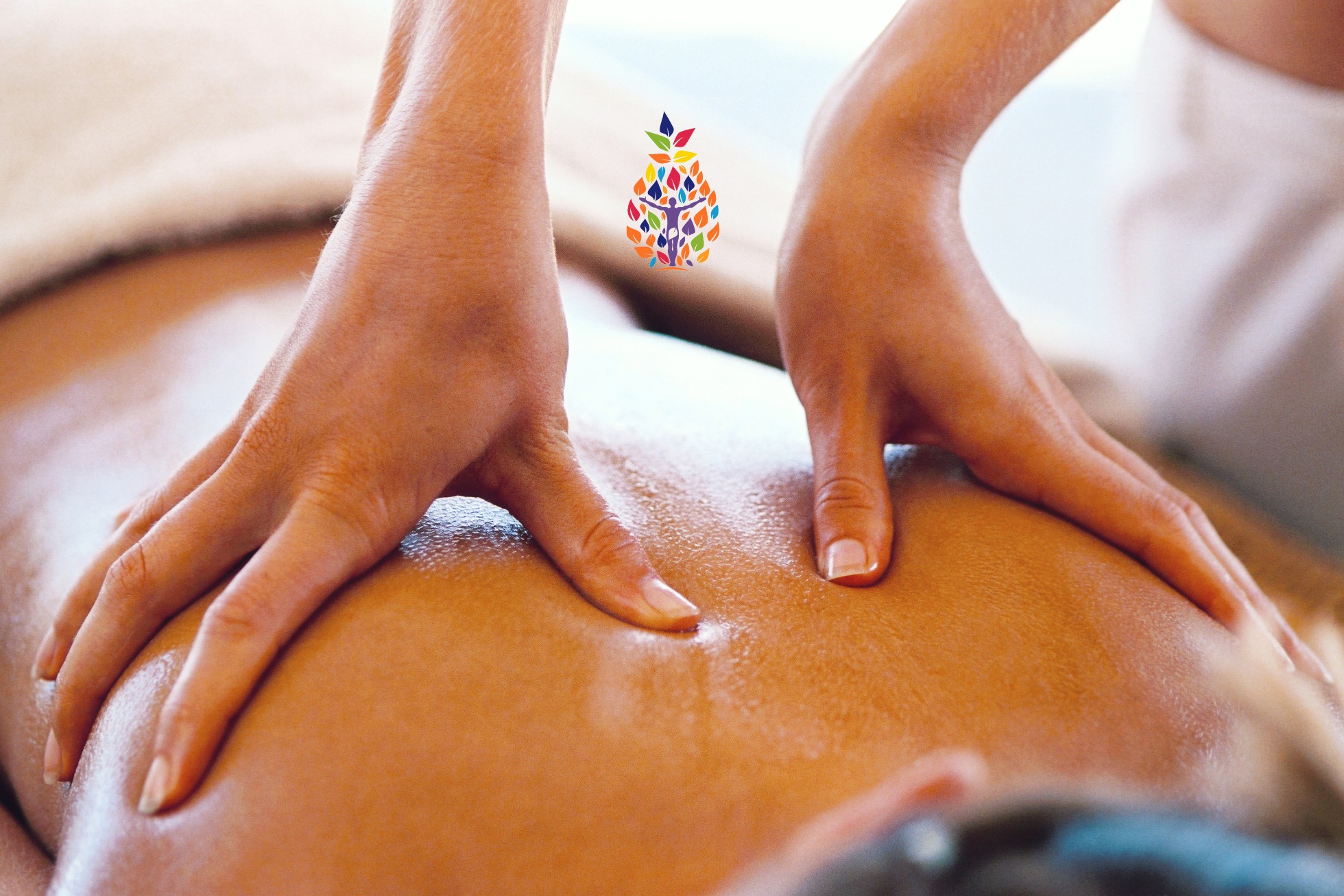
Incorporating massage therapy in addiction treatment, a powerful integrative medicine, involves a skilled therapist addressing soft tissues, including muscles and connective tissue, to alleviate tension and induce relaxation. Diverse massage techniques applied by professionals enhance blood flow, offering various advantages to individuals navigating substance abuse challenges.
As endorsed by the American Massage Therapy Association, massage therapy for addiction treatment empower patients to connect with their bodies and minds. Often, those struggling with addiction find difficulty confronting negative emotions. Massage not only provides immediate relaxation but also stimulates the release of endorphins-neurotransmitters fostering wellbeing. By naturally reducing stress hormone levels, massage offers holistic relief, a crucial aspect for individuals in addiction recovery.
Key Benefits of Massage Include:
- Reduced muscle tension
- Improved circulation
- Stimulation of the lymphatic system
- Increased joint mobility and flexibility
- Diminished anxiety and depression
- Enhanced mental alertness
Beyond these benefits, patients undergoing massage therapy for addiction treatment experience elevated serotonin and dopamine levels, coupled with decreased cortisol levels. This creates a positive shift, promoting happiness while mitigating stress. During withdrawal, where dopamine levels plummet, massage provides a safe and non-destructive means to boost dopamine temporarily, aiding recovery.
Addiction disrupts cognitive and physiological balance; regular massage restores these systems to a healthier state, complementing treatment programs. In recovery, individuals grapple with anxiety, pain, sleep disorders, and agitation. Massage, by reducing stress hormones, reinforces the immune system, alleviating symptoms like pain, promoting better sleep, and reducing anxiety. This contributes to an improved mindset, supporting addiction recovery efforts.
Holistic in nature, massage recognizes the deep connection between mind and body. It proves instrumental in alleviating addiction-related symptoms, including
- cravings,
- withdrawal anxiety,
- stress,
- trauma-induced substance abuse,
- sleep disturbances,
- restlessness,
- mood fluctuations,
- tension,
- obsessive thoughts, and
- emotional instability during recovery.
Integrating regular massages into a recovery routine facilitates symptom relief and enhances overall well-being on the path to sobriety.
At Les Mariannes Wellness Sanctuary, we prioritize a holistic approach to wellness, and massage therapy for addiction treatment plays a pivotal role in our comprehensive treatment plans. Our expert therapists are trained to provide a range of massages, including Ayurvedic massages (Abhyanga and Shirodhara) that cater to individual needs and preferences. As part of our spa program, you will benefit from rejuvenating amenities like the ice fountain, sauna, hammam, and jacuzzi. These offerings work synergistically to enhance the overall well-being of our guests, providing a serene environment for relaxation and recovery.
Would you like to know more about how treatment programs at Les Mariannes Wellness Sanctuary can benefit you or someone you love? If so, reach out to us today, and a member of our helpful team will go through any questions you may have.